English – following the Hebrew.
Posted on Facebook, April 27, 2026
בין פסח לשבועות 2024 עמדתי עם קבוצה של יהודים מחו״ל בקיבוץ כפר עזה, מול גדר הקיבוץ, וצפינו מערבה לכיוון רצועת עזה. מאחורינו שכונת דור צעיר, שבה בוצע טבח נורא חצי שנה קודם לכן, בשבעה באוקטובר, ועדיין היו מתושבי המקום בשבי.
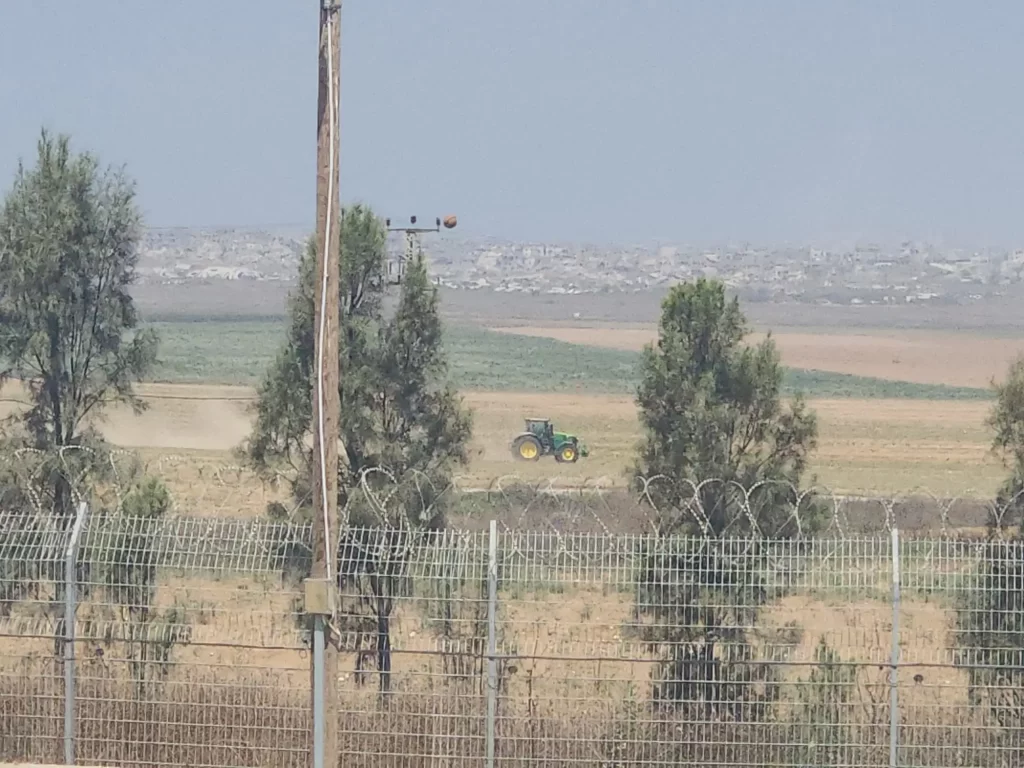
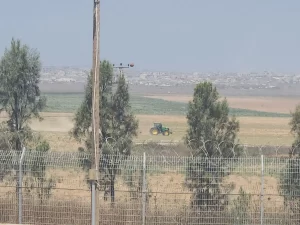
מעבר לגדר הקיבוץ, בתווך שבין הקיבוץ לגדר המערכת של רצועת עזה, חלף טרקטור חקלאי בעבודתו. בפשטות נאמר לנו: חזרנו לעבודה.
מילות השיר “והחיטה צומחת שוב”, שנכתב בעקבות נפילתם של 11 מחברי קיבוץ בית השיטה במלחמת יום הכיפורים, נגלו מולנו כפשוטן ובסמליותן. הסמליות שבמילים קיבלה ביטוי עמוק לאחר טבח השבעה באוקטובר, כמילות תקווה והבטחה לשוב הביתה, לבנות ולהיבנות. הסמליות הומשגה בצורה הישירה ביותר בעיבוד המחודש של חברי הגבעטרון, עם שינוי מילות השיר ל: “זה לא אותו הנגב, זה לא אותו הבית, אתם אינכם ומוכרחים לשוב”, ובהתארגנות של חברים מבית השיטה שהעתיקו את מגוריהם לכפר עזה לצורך טיפול ושיקום הגינות בקיבוץ.
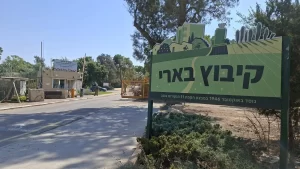
שנתיים אחר כך אני במילואים באזור בארי, בין פסח לשבועות, “מהחל חרמש בקמה”. שדות זהובים של חיטה מתנדנדים ברוח; סופרים עד העומר כדי להתיר את החדש. ערמות חציר לצד שדות חרושים, שגבעולים ירוקים מזדקרים בהם ומבשרים על נביטה מוצלחת; והחקלאי ממתין לקצור את פרי עמלו ולחגוג את ביכורי השדה והתוצרת המקומית בחג השבועות הבא עלינו לטובה, ברוב עם ובהדרת קיבוץ.
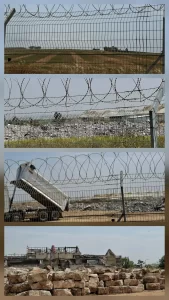
ובקצה השדה, או תחילתו, תלוי מאין מסתכלים, הקיבוצים עדיין ריקים. התושבים טרם חזרו, וההרס עוד נראה בשטח. בגבעות, בשדות ולצידי הכבישים פזורות אנדרטאות המספרות את סיפורו של אותו יום ארור. הבתים, חלקם נהרסו, וערמות פסולת הבטון מונחות מחוץ לגדר כדי לפנות מקום לבתים חדשים; וחלקם עוד עומדים על תילם, ממתינים בתור לחידוש המיוחל.
זה הסיפור שלנו, של עם ישראל, זיכרון לצד תקווה. זה לצד זה, מזינים זה את זה. הזמנים הקשים שעברו עלינו תמיד היו שם, עם הכאב הגדול מנשוא שלא יישכח לעולם. והמבט לאחור, אל דור הנחישות וההקרבה, דור המייסדים ודור המקימים, היה וימשיך להיות המצפן קדימה, התקווה לשוב לבנות ולהיבנות.
אז החיטה צומחת שוב – דונם ועוד דונם, תלם ועוד תלם.
וגם הקיבוץ צומח שוב – בית ועוד בית, שביל ועוד שביל, ילד ועוד ילדה.
כמו החקלאי העמל – חורש, זורע, משקה, ממתין וקוצר, ומאמין שישתלם, כך גם אנחנו: עמלים ומאמינים, ומצפים להתיר את החדש.
Between Passover and Shavuot 2024, I stood with a group of Jews from abroad at Kibbutz Kfar Aza, facing the kibbutz fence and looking west toward the Gaza Strip. Behind us was the “Young Generation” neighborhood, where a horrific massacre had taken place half a year earlier, on October 7, members of the kibbutz still in captivity as we stood there.
Beyond the kibbutz fence, in the strip of land between the kibbutz and the Gaza border fence, a tractor passed by, going about its agricultural work. Simply put, we were told: we have returned to work.
The words of the song “HaChitah tzomachat shuv” – “The Wheat Grows Again,” written after the fall of eleven members of Kibbutz Beit HaShita during the Yom Kippur War, appeared before us both in their literal sense and in their symbolism. That symbolism took on profound meaning after the October 7 massacre, as words of hope and a promise to return home, to rebuild and be rebuilt. It found its most direct expression in the renewed version by members of the Gevatron ensemble, who altered the lyrics to: “This is not the same Negev, this is not the same home, you are not here and must return,” and in the initiative of members from Beit HaShita who relocated to Kfar Aza to care for and rehabilitate the kibbutz’s gardens.
Two years later, I am serving in the reserves in the Be’eri area, between Passover and Shavuot, “me-ha-KHEL kher-MESH ba-ka-MAH” – “from when the sickle is first put to the standing grain.” Golden wheat fields sway in the wind; we count the Omer, awaiting the moment when the new crop becomes permitted. Piles of hay lie beside plowed fields, where green shoots rise and signal successful growth; and the farmer waits to harvest the fruit of his labor and to celebrate the first fruits of the land and its local produce at the coming festival of Shavuot, in communal kibbutz pride and splendor.
And at the edge of the field, or its beginning, depending on where you stand, the kibbutzim are still empty. The residents have not yet returned, and the destruction is still visible on the ground. On the hills, in the fields, and along the roadsides, memorials are scattered, telling the story of that cursed day. The houses, some destroyed, with piles of concrete debris set outside the fence to make room for new homes; others still standing in place, waiting their turn for the long-awaited renewal.
This is our story, the story of the people of Israel, memory alongside hope. Side by side, they sustain one another. The difficult times we have endured have always been there, along with unbearable pain that will never be forgotten. And the backward glance, toward a generation of determination and sacrifice, the founding generation, has been, and will continue to be, our compass forward: the hope to return, to build and be rebuilt.
So the wheat grows again, dunam after dunam, furrow after furrow.
And the kibbutz grows again, house after house, path after path, child after child.
Like the farmer who toils- plowing, sowing, watering, waiting, and harvesting, and believes it will be worth it, so too do we: we labor and believe, and we await the moment when the new will be made permissible.